
gardening-tips
Summer Garden Don’ts: 3 Common Mistakes to Avoid in the Heat
Nora Simmons
2025-06-30 01:05:00
629
178
When the sun is shining and the plants are growing...

When the sun is shining and the plants are growing, it’s tempting to spend hours in the garden doing everything at once. But summertime comes with its own set of rules, and certain habits can actually do more harm than good. Whether you're a seasoned gardener or just getting started, here are three big mistakes to avoid during summer—and what to do instead to keep your garden healthy, happy, and blooming.
1. Don’t Water During the Hottest Part of the Day
It might feel logical to water your plants when you’re out and about in the afternoon, but this is actually the worst time to do it. Midday sun causes water to evaporate quickly, which means your plants don’t get the moisture they need—and the droplets on leaves can act like tiny magnifying glasses, burning foliage. The best time to water is early morning, before the heat hits. This lets the roots absorb water while also reducing mildew and fungus risk. If you must water later, aim for the base of the plant and skip the leaves.
2. Don’t Over-Fertilize Just Because It’s Growing Season
Plants grow fast in summer, so it’s easy to assume they need more food. But too much fertilizer can burn roots, especially in the heat, and promote weak, leggy growth. Many summer-friendly plants—like tomatoes, peppers, and herbs—only need feeding every few weeks with a balanced or slow-release fertilizer. Always read the label and resist the urge to overdo it. When in doubt, less is more—especially when the soil is warm and your plants are already doing their thing.
3. Don’t Ignore Mulch or Let Weeds Take Over
Mulching in summer isn’t optional—it’s essential. A 2–3 inch layer of organic mulch helps your garden stay cool, retain moisture, and keeps weeds in check. But what many gardeners skip is refreshing the mulch or checking for weeds hiding beneath it. Weeds love summer and will quickly steal water and nutrients if you let them. Take a few minutes each week to inspect, weed, and fluff your mulch. It’s an easy step that saves you hours of work (and frustration) later.

Rain Gardens: A Beautiful Way to Fight Flooding and Boost Biodiversity
2025-07-17 03:10:00833
How to Garden Through Grief: Finding Healing in the Soil
2025-07-17 02:40:00812
You May Also Like
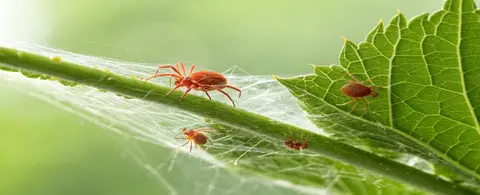
Beat the Spider Mites Before They Take Over Your Plants
Spider mites are almost invisible, but the damage they do is definitely not. Here's a simple, no-nonsense guide to identifying and naturally getting rid of these sneaky little pests.
917
305
Kevin Brooks
2025-05-13 15:20:00
Essential Tips to Prevent and Treat Mealybugs Indoors
Mealybugs are tiny white pests that can quickly take over your indoor plants. Learn how to spot, prevent, and treat these stubborn bugs with natural and effective methods.
756
258
Amanda Reed
2025-05-15 16:45:00
Battling Aphids in Your Garden: Simple and Effective Tips
Aphids might be tiny, but they cause big headaches! This easy guide will help you identify aphids and take care of them quickly to keep your plants thriving.
912
438
Jason Reynolds
2025-05-07 10:20:00
How Gardening Brought Me Back to Life: A Personal Journey from Grief to Growth
Sometimes the smallest seed can grow into something life-changing. I never expected gardening to become a lifeline, but it did. After a painful loss and months of feeling like I was floating through life, I picked up a trowel and planted my first pack of marigolds. What happened over the next year was more than just flowers blooming—it was healing, purpose, and peace returning to my days. Here's how gardening helped me reconnect with myself, one plant at a time.
632
198
Megan Porter
2025-06-24 00:10:00